


Commission meets to discuss biochemical warfare threat
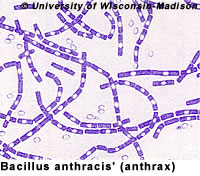
The European Commission met on 11 October to discuss precautionary measures to deal with the threat of biological attacks, amid warnings that Europe must face up to the threat of biochemical warfare following the recent terrorist attacks in the USA. Ahead of yesterday's talks, EU Environment Commissioner Margot Wallström said the Commission may be willing to consider resources for dealing with a biological attack. The discussion follows a warning from the United Nations Food and Agriculture Organisation that terrorists could deliberately spread animal diseases such as foot-and-mouth and swine fever in order to damage Western agriculture. It said authorities should take action to reduce the risks of 'agri-terrorism' of this kind. The director-general of the World Health Organisation, Dr Gro Harlem Brundtland, has also warned countries to strengthen national contingency plans to deal with biological or chemical attacks: 'We must prepare for the possibility that people are deliberately harmed with biological or chemical agents.' The WHO called for 'proper surveillance and a quick, coordinated response' against the use of agents such as anthrax or smallpox. However a spokesperson for Research Commissioner Philippe Busquin said that the increased threat of biochemical attacks following the events of September 11 would not affect EU research priorities. The spokesperson emphasised that any research in this area is a military matter and will not be dealt with by EU research programmes. In Europe, the German government has made moves to set up a federal information office on biological warfare. The Netherlands, Italy and the UK have also taken measures to deal with biochemical attacks. Meanwhile team of researchers from London's City University and the UK's Public Health Laboratory Service have warned that although Europe may have the resources to react swiftly to an attack using agents such as anthrax or smallpox, it does not have in place the necessary infrastructure to deal with wide scale disease outbreaks. The research, outlined in the British Medical journal, raises concerns over the possibility of a more subtle bioterror attack using common illnesses such as 'flu or salmonella poisoning. The researchers examined responses to five international disease outbreaks, including influenza, legionnaires' disease and salmonella in several European countries. They found essential flaws in the detection and reporting of the diseases, and said the EU lacked a coordinated overall plan to deal with outbreaks of this kind. In an interview for the BBC, report co-author Professor Julius Weinberg said that 'Unlike a bomb, an infectious agent attack might be silent,' adding 'I don't think it would be difficult for a determined organisation to do something untoward.' As news emerged of a third diagnosed case of the killer disease anthrax in Florida, USA, German pharmaceutical company Bayer has said it will step-up production of the anthrax antidote drug Cipro. It is feared that the anthrax bacteria could have been planted as part of deliberate attack.