Do plants absorb microplastics from the soil?

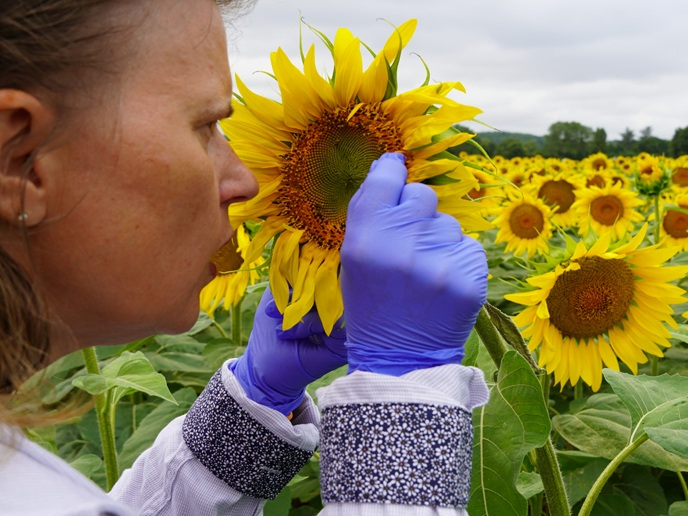
“Yes, they do,” says Nizzetto. “This is already a consolidated piece of knowledge in our field.” The chief scientist at the Norwegian Institute for Water Research explains that plastics can make their way inside plants in various ways. Small plastic particles in the atmosphere can land on plant leaves and penetrate through openings used for the exchange of gases. Plastics can also be absorbed through the roots. When roots grow, they crack and leave openings into which microscopic particles can enter. Once inside the plant, plastic can migrate to reach edible parts. There is still no full assessment of the levels these particles can reach in food, though, or the implications for human health. But we do know plants that grow in plastic-contaminated soils experience stress, says Nizzetto, evidenced by growth changes and rising stress hormones. Through the EU-funded PAPILLONS project, Nizzetto and his colleagues contributed more evidence to this growing research field, aiming to raise awareness of the impact of microplastics in soil. Beyond physiological shifts, Nizzetto’s team also found change relevant to consumers: “We noticed that after growing in soil enriched with microplastics, there was a nutritional composition shift from carbohydrates to more proteins.” The impact of this on humans, herbivores and the broader soil ecosystem is the subject of much ongoing research. Nizzetto recently authored a systematic review about the impacts of microplastics on soil and plant health(opens in new window) for the Food and Agricultural Organization of the United Nations. This collected hundreds of papers demonstrating the effects microplastics have on many soil properties, such as its capacity to retain water or cycle nitrogen. “These are all variables that define soil fertility,” adds Nizzetto. “For this reason, we brought forward the message that microplastic pollution is a potential concern for food security.” PAPILLONS produced around 60 scientific studies, and the research contributed to a new EU Soil Monitoring Law(opens in new window) on protecting and restoring soils. “Initially, microplastics were not considered to be an emerging contaminant concern, but the final approved version of the law explicitly mentions microplastics,” notes Nizzetto. Solving the problem is complex. Solvents can remove plastics but may kill important microbes in the soil. Some technological solutions are being developed, but the side effects for the broader ecosystem are unclear. The best solution is mitigation, remarks Nizzetto, through processes such as regenerative agriculture. “If you have a healthy soil with rich organic matter that can store organic carbon and act also in carbon storage, it will also help mitigate the impact of microplastics,” explains Nizzetto. “This, for me, is the only therapy that I would suggest.” Read more about Luca Nizzetto’s research: Call to action on plastic soil contamination