


Candidate countries focus on research issues
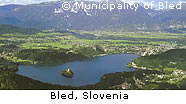
Further emphasis on the issues affecting candidate countries and a consolidation of these countries' research infrastructures is required in the forthcoming Sixth Framework Programme (FP6), according to the research ministers from five candidate countries who met in Bled and Brdo, Slovenia on 17 September. Research ministers from the Czech Republic, Hungary, Poland and the Slovak Republic, the so-called 'Visigrad 4' countries, joined the Slovenian research minister to discuss the implications of the forthcoming FP6 and proposed ERA (European research area). They concluded that there needs to be support measures for the research infrastructures of candidate countries to help further the goals of FP6. 'Improvement of the research infrastructure in candidate countries is the precondition for the successful project participation and mobility of researchers in Europe in both directions,' they concluded. The support measures for their infrastructure would be particularly helpful for the larger instruments in FP6 such as integrated projects and networks of excellence. The financial aspect of FP6 participation should also be raised in the negotiations of association agreements, according to the ministers, who mentioned that enlargement related topics could also be included in FP6 priorities (in priority eight). They also called for more socio-economic actions to be included in FP6, more special measures to enhance the participation of SMEs (small and medium sized enterprises) and that the duration of researcher mobility be set from three to 24 months. The ERA should have more actions extended to the candidate countries according to the ministers, who also highlighted that greater networking of R&D (research and development) institutions is needed in the candidate countries. They added that an increased level of bilateral agreements within the group of countries is needed, as well as more support for project preparation. The ministers said they appreciated efforts to include candidate countries in the existing Fifth Framework Programme (FP5), but expressed concern over an unsatisfactory 'success rate of participation' of these countries and the exploitation of FP5 results. In addition, further support and attention should be given to south eastern European countries which are not candidate countries, they said. The ministers made a commitment to convene 'Visigrad 4' meetings, of which this was the third, on a regular basis. The ministers also urged all candidate countries to formulate a position in relation to these issues.