


FP6 needs to get back to basics - ERF opinion
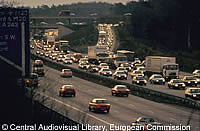
The Sixth Framework programme of the European Union (FP6) needs to have a stronger focus on applied sciences rather than exploring 'totally new areas of research, such as nanotechnology or genomics'. This is the opinion of the European Union's Road federation (ERF) on FP6 which, the ERF feels, does not give sufficient emphasis to meeting the objectives of the Common transport policy (CTP). Economic efficiency and environmental protection are the two areas where programmes should focus according to the ERF's opinion. As the road sector is the most important means of overland transport, the ERF says that 'the European Commission ought to refocus its research efforts towards the road sector, where the potential for meeting the objectives of the Common transport policy is biggest.' It goes on to question the use of the research already carried out, which has focused on intermodality (the process of exchange of passengers and goods from one mode of transport to another). It refers to intermodality as 'an outdated transport concept that is unfeasible'. Rather, it would prefer to see more research directed specifically at road transport and the problems it creates. The paper goes on to set out what it feels the research priorities should be in this area. These include road safety research, environmental impact of road transport research, data collection methods and trans-European networks. Suggestions for specific research areas within these themes include research on infrastructural aspects of road safety, best practice guidelines on road maintenance and road tunnel operation, road safety impact assessments within the road safety strand. In the environmental impact of road transport, areas such as intelligent transport systems (ITS), parking management, urban transport issues, analysis of transport infrastructure charging methods and improvements in vehicle technology need to be covered according to the ERF. Data collection methods research should improve on the data measurement methods used by EUROSTAT, which the ERF claims are insufficient for transport policy making. Areas the ERF would like to see improvement in include research on quantities transported, network occupancy, economic value measurements, measurement of auto-consumption of transport and further development of the European transport information system (ETIS). Finally, the ERF would like to see more in depth research on the trans-European networks, especially in relation to defining the socio-economic importance of transport and the impact of e-commerce on transport supply chains.