


Parliament committee votes for 600 amendments to FP6 proposals
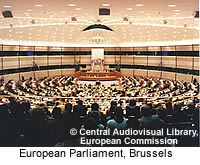
The European Parliament's committee on industry and research has voted through 600 amendments to the Commission's proposal on the Sixth Framework programme (FP6), including a restructuring of the budget. The adopted amendments cut budget allocations from the two priorities 'anticipating the EU's scientific and technological needs' and 'structuring the European research area (ERA)'. They also include changes to research areas listed under the energy and transport sections, but particularly the health section. The committee is proposing a cut of 795 million euro to the budget reserved for anticipating the EU's scientific and technological needs and 175 million euro from the budget allowed for the structuring of the European research area. Under the committee's position, genomic and biotechnology and sustainable development and global change would be the main beneficiaries, with an additional 500 million euro and 300 million euro respectively. Sustainable development and global change would however include energy and biodiversity, according to the amendments. On health, MEPs called for more traditional diseases to be added to the programme, which they interpret as currently focusing on genomic and biotechnology. The committee voted for changes to award greater priority to research into cancer, cardiovascular diseases, degenerative diseases of the nervous system, diabetes, viral hepatitis C, allergies and rare diseases. MEPs also called for the inclusion of epidemiology and prevention policies into genomic and biotechnological research and to place greater emphasis on research into poverty linked diseases such as malaria, AIDS and tuberculosis. Concerning ethics, the committee voted for some areas to be excluded from funding under the Framework programme, including research activity aimed at human cloning for reproductive purposes, the creation of embryos for research purposes, research activity intended to modify the genetic heritage of human beings which could make such changes hereditary and intended for eugenic purposes rather than finding cures. MEPs did however give the go ahead to research into the use of human stem cells providing that the nature of the scientific proposal and the legal framework of the Member State(s) involved allows for such research. Research on embryo or foetal stem cells deriving from miscarriages or therapeutic abortion may also be funded under the committee's proposals. Research on 'supernumerary' human embryos may be funded, Member State legislation permitted, voted MEPs. The Commission's proposals regarding the information society were also amended by the committee, who wish to see research into new display systems for mobile phones, allowing customers to obtain more information, for example on prices when travelling from country to country. The session also saw calls by MEPs for funding for renewable energies as well as sea and land transport, three areas they claimed were unaccounted for in the Commission proposals. The Commission is waiting until the vote by the full Parliament in November before commenting on any amendments.