


European stem cell research restrictions impact on Indian regulations
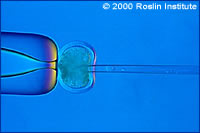
Restrictive embryo research regulations in some European countries and the USA have led to a ban on the export of all human embryonic material in India due to fears that the country's assisted fertility industry could become a source of human embryonic stem cells. India stores human embryos in hundreds of unregulated fertility clinics. The rules are aimed at preventing the misuse of these embryos, and state that couples may only donate embryos to researchers inside India, and that the sale of embryos is prohibited. The decision has sparked criticism in India. 'Prohibiting the transfer of embryos could virtually prevent us from collaborating with foreign agencies,' Mitradas Panicker, a neurobiologist from Bangalore, is reported as saying. Some EU Member States allow research to be carried out on only imported embryonic stem cells which must be obtained from approved cell lines.