


Fears about biotechnology need to be placed in context, says Nobel prize winner
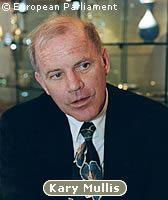
The hysteria surrounding biotechnology must be seen in context, said Nobel prize winner Kary Mullis at a lecture on opportunities in the biotechnology era on 25 March. Speaking at the Parliament's scientific and technological options assessment division (STOA), Nobel prize winner Dr Mullis argued that forms of genetic modification have been around for thousands of years, citing examples of corn and wheat and the recent development of seedless melons. 'Genetic modification is nothing new', he emphasised. Dr Mullis also referred to society's acceptance of mules as proof that genetic modification can be perceived in a positive light. According to Dr Mullis, society's perspective on biotechnology is greatly influenced by the words used to describe such activities. 'The new vocabulary of biotechnology scares us. What was once called horticulture is now called genetic modification,' he said. In response to politicians' demand for the mandatory testing of up to 35,000 chemicals for their toxicity, Dr Mullis said that politicians were are over-legislating. He argued that it is impossible to test every chemical for its possible effects on the endocrine system. In the end, it is the companies assisting the tests that will benefit most from these unnecessary tests, he added. In a lively debate following the lecture, members of parliament raised several issues, substantiating the concerns about biotechnology. Irish MEP Nuala Ahern referred to recent studies claiming that the male reproductive system is affected by the release of genetically modified organisms (GMOs). UK Eryl McNally agreed that fears about GMOs could sometimes be increased by the vocabulary used and media speculation. At the same time, she underlined the importance that the Parliament is placing on the precautionary principle where GMOs are concerned.