


Commission publishes strategy for environmentally friendly products
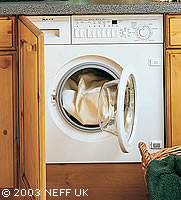
The Commission adopted a new communication on integrated product policy (IPP) on 18 June in an effort to reduce the environmental impact of the increasingly high number of products used in everyday life. The communication sets out a number of actions to be taken by the Commission to stimulate improvements in the environmental performance of products. These will include pilot projects, the publication of a handbook on best practice and a discussion on the need to place design obligations on producers. Environment Commissioner Margot Wallström welcomed the initiative, saying: 'IPP represents a new and very promising approach to environmental protection. IPP will look at all stages of a product's lifecycle from cradle to grave and seek to reduce the overall environmental damage it causes at different stages. The gains that can be made by making just small changes are huge.' The Commission communication is a response to the rising quantity of products being made in Europe, linked to increases in disposable income and the proliferation of smaller households. Environmental damage can occur at all stages of a product's lifecycle: during its manufacture, use, and disposal. For example, the environmental impact of a washing machine includes the materials it is made of, such as plastic and steel, the energy, water and detergents it consumes during use, and its eventual disposal as waste. The Commission stresses that the communication does not seek to reduce consumption, but rather reduce the environmental impact of increased consumption. Indeed, Commissioner Wallström believes that the initiative will offer new opportunities to progressive companies: 'In a competitive business world, environmental performance can be a factor giving companies or their products a competitive edge. IPP can help such companies by giving them more visibility.' In implementing IPP, the Commission will first seek to improve those measures already at its disposal to make them more product focussed. These include environmental management systems, environmental labelling, and the provision of lifecycle information. The strategy will initially focus on those products with the greatest potential to deliver environmental improvements. The strategy will result in a number of actions: the launch, before the end of 2003, of pilot projects on particular products suggested by stakeholders; the publication of a practical handbook, in 2005, on best practice using lifecycle assessment; and in 2007, the identification of the first set of products with the greatest potential for environmental improvement and the beginning of actions to tackle them.