


'New instruments worked' says head of unit, following first round of transport proposal evaluations
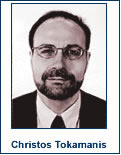
The introduction of the new instruments in the Sixth Framework Programme (FP6) for research has had the desired effect of reducing the number of projects submitted for consideration, evaluation of some of the first calls for proposals under the new programme has revealed. Some 101 proposals were evaluated following the publication of the first surface transport call for proposals. Together, project proposers requested EU funding of nearly five billion euro - way above the budget of 1.75 billion euro available for the call. Speaking to CORDIS News, the Commission's head of unit for surface transport, Christos Tokamanis, said that some 300 proposals would have been expected under the previous system. 'This shows that the new instruments worked,' he said. Of the 101 proposals received, 37 addressed waterborne transport, 33 road transport, 17 rail, and 14 multimodal transport. Some 40 projects were retained overall, and the Commission is now in the process of negotiating project contracts. Mr Tokamanis said that the proposal process had worked very well, highlighting only one area for improvement in the future: some project consortia did not provide sufficient justification for the grant they requested, which made it difficult for evaluators to accept the proposed cost of the project, and in some cases led them to recommend a smaller grant than requested. For road transport, the call placed particular importance on environmental and safety aspects, underlining the importance of the challenges posed in these areas when seeking to develop sustainable surface transport. Retained projects include NICE, an Integrated Project involving 27 partners which will work on the development of new combustion models for cleaner and more efficient engines, taking alternative fuels into account. The proposal was warmly received by evaluators, and described as 'fully in line with the scope specified in the work programme.' A Network of Excellence in the field of rail transport will bring together a number of regional research networks, thus helping to overcome fragmentation in the sector. The EUREX network will draw up a programme of activities aimed at assuring the interoperability and product quality of the European railway system while bringing more innovation into the sector. Focusing on rail infrastructure meanwhile, the 'Sustainable Bridges' project will seek to provide technological solutions to cope with increased load demands of at least 30 tonnes. The HERCULES project was also well received by the Commission's evaluators. Addressing emissions from marine propulsion, the Integrated Project brings together for the first time the world's two leading marine diesel manufacturers, Wartisla and MAN-B&W. Together, these companies control 80 per cent of the world's medium and low speed marine diesel market. The project was therefore regarded by the evaluators as 'a major strategic investment towards Europe's continued lead within the sector'. Proposals came from a wide range of entities, including small and medium sized enterprises (SMEs), which represented 23.3 per cent of proposers overall. While some feared that Integrated Projects would exclude SMEs, this call saw 17.7 per cent of proposals coming from this group, still above the 15 per cent target agreed for the Sixth Framework Programme.