


Preparatory action will set strategic agenda for security research, says Liikanen
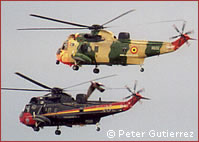
The Commission has outlined the structure of the proposed preparatory action on security research, which is described as 'an important first step' towards addressing the lack of coherence on defence issues within Europe. The preparatory action was one of the recommendations of a communication on EU defence equipment policy adopted in March 2003. The ultimate aim of the action is to develop a long term vision and strategic agenda for security related research. Outlining the plans, Commissioner for Enterprise and the Information Society, Erkki Liikanen, said: 'There is no coherent European approach to security related research today. [...] The preparatory action [...] would contribute to the improvement of the European citizens' security and to the reinforcement of European technological and industrial potential.' To back up his point, Mr Liikanen pointed out that, as a whole, EU Member States invest around half the amount of the US in defence, while only achieving one fifth of their capabilities. As well as identifying a strategic agenda for security research, the preparatory action will directly support a limited number of targeted projects that will build on research already undertaken at European, national and intergovernmental level. The Commission has proposed a budget of 15 million euro for the action, which the European Parliament is expected to vote on in early 2004. A high level 'group of personalities' has also been established as part of the process, bringing together CEOs from industry and research institutes, policymakers, MEPs, and intergovernmental observers. Responsibility for proposing the future requirements for security research in European will be given to this group. For this initial phase, five security priority areas have been identified: improving situation awareness, optimising security and protection of networked systems, protecting against terrorism, enhancing crisis management, achieving interoperability and integrated systems for information and communication. The final aim of the action is to set out the conditions and arrangements necessary to achieve effective cooperation between national research programmes in the field of global security. Mr Liikanen had this final warning: 'Our competitors, and particularly the US, continue to increase their research spend[ing]: we simply cannot afford to fall any further behind.'