


Flu pandemic concerns lead Commission to propose EU network of laboratories
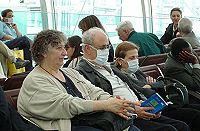
In response to warnings by public health experts of the possibility of a future influenza pandemic in the EU, the European Commission has published new guidelines for countering a serious outbreak of the disease. The strategy defines the different stages of an influenza pandemic and sets out key actions to be taken at each stage. These actions cover management and coordination, surveillance, prevention and intervention strategies, communication and research. Moreover, the document outlines the role of the Commission and Member States in preparedness planning, and proposes areas for enhanced cooperation, including the creation of an EU network of laboratories for human influenza. 'Europe has not seen an influenza pandemic for over 30 years,' said Commissioner for Health and Consumer Protection David Byrne. 'However, our public health experts and the WHO [World Health Organisation] have warned us not to be complacent about the deadly threat influenza can pose. Planning and coordination are key tools for fighting disease outbreaks.' During the last century, global outbreaks of flu that caused widespread illness and death occurred on average once every 25 years. The Commission believes that the EU is particularly susceptible to a flu pandemic due to the free movement of people, animals and goods throughout its Member States. Senior EU officials believe that national plans for combating outbreaks of flu should be coordinated. They argue that if Germany, for example, closed down its schools while other countries kept theirs open, it could lead to a loss of confidence in public authorities. The Commission proposals would require each Member State to establish a reference laboratory for human influenza, thus forming a formal network to ensure early detection of any pandemic. The plans would also create a fast track approval mechanism for new vaccines to ensure prompt authorisation and distribution of drugs in case of a pandemic. The Commission states that the plans are intended to stimulate a debate on preparedness within Member States. Commissioner Byrne concluded by saying: 'I hope [the proposals] will provoke a debate that rapidly leads to action, as well as giving Member States guidance for improving their own preparedness plans against influenza.'