Cooler cities, cleaner air: turning virtual models into urban solutions


Climate change presents an escalating threat to urban environments, where heat and poor air quality increasingly jeopardise citizen health and well-being. To address these complex challenges, the EU-funded UrbanAIR(opens in new window) project is developing a digital twin framework designed to help municipalities and industries test different interventions before they are implemented. Its goal is to bridge the gap between global climate data and local urban decision-making. In this way, it will support city leaders in improving the well-being of citizens impacted by climate change.
A unique triple approach
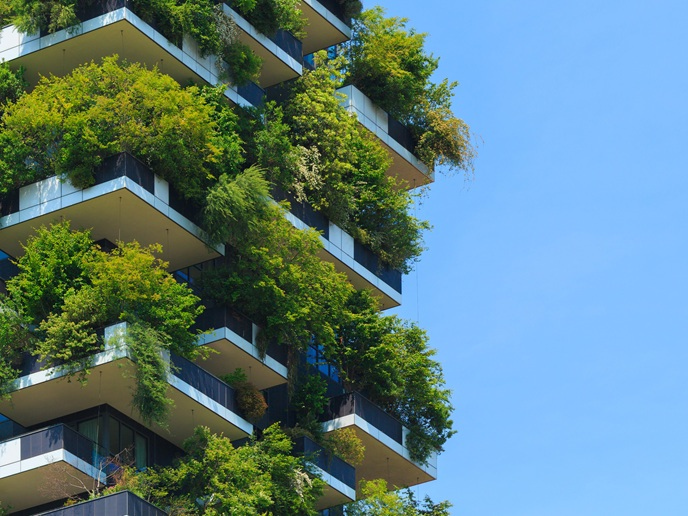
Each UrbanAIR digital twin focuses on three areas. First, the project downscales global atmospheric models to the street level, providing highly localised forecasts. Second, it analyses citizens’ behaviour to understand how residents respond to heat stress and pollution. Third, it evaluates both human and natural criteria to support holistic urban planning. “That makes the project not only challenging but also unique,” states Femke Vossepoel, professor at UrbanAIR coordinator Delft University of Technology, the Netherlands, in a news item(opens in new window) posted on ‘SustainabilityOnline’. By simulating intervention scenarios before they are implemented, urban decision-makers can test how effective measures such as urban greening, zoning changes and infrastructure investments are without risking real-world resources. The project distinguishes between ‘Action Cities’ and ‘Learning Cities’ to ensure practical applicability. Antwerp and Barcelona serve as the former, where technologies are tested and refined in live urban environments. Meanwhile, Bristol, Paris and Rotterdam act as the latter, facilitating the transfer of lessons across diverse urban contexts. This structure ensures that solutions are not merely theoretical but stress-tested against real-world constraints and needs.
Lessons learnt
At the 13th European Urban Resilience Forum held in June 2026, UrbanAIR organised a workshop(opens in new window) together with the EU Covenant of Mayors(opens in new window). The workshop highlighted a critical lesson: digital tools risk becoming ‘tool graveyards’ if they are not designed around real city needs. The consensus is clear. Cities should start with the problem they need to solve, such as identifying heat hotspots or protecting vulnerable groups, rather than the technology itself. Successful adoption requires internal ownership, collaboration across departments and clear data governance. Next on UrbanAIR’s agenda is to foster a sustained community of users through regular User Committee Meetings. These forums are designed to connect city representatives, partners and technical experts to work together, test ideas, and co-create tools that are useful, trustworthy, understandable and viable. A recent project post(opens in new window) states: “We invite cities, local authorities, researchers, technology providers and resilience practitioners to join future UrbanAIR sessions. These exchanges are valuable not only for improving digital tools, but also for helping cities better prepare for heat, air pollution and other climate risks.” As climate risks intensify, the future of urban planning relies on more than just robust data. It demands collaboration and shared learning. UrbanAIR (URBAN simulation for Air quality and heat Resilience strategies) is building the framework for this future, ensuring that digital twins become indispensable tools for creating healthier, cooler and more breathable cities across Europe. For more information, please see: UrbanAIR project website(opens in new window)