Resolving soil contamination problems from pesticides

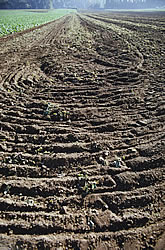
While the extensive use of pesticides has led to an increase in agricultural production, it has also generated major concerns about their environmental impact. Various chemical substances that are included in pesticides migrating through or binding to soil materials are potentially hazardous for the relevant ecological systems. Such concerns have heightened the importance of understanding the complex mechanisms involved with their biodegradation, that is the capability of pesticides for being decomposed. To address this need, this project focused on collecting detailed information on the processes and the interrelated factors that determine the environmental fate of pesticides in soils. Experiments were realised for two types of herbicides, the dichlorophenoxy-acetic acid (2,4-D) and the simazine, using three types of synthetic systems, namely clays, humics and clay-humic complexes. Each system was well-characterised in terms of physico-chemical and biological properties in order to approximate as closely as possible to naturally existing models. Sorption/desorption studies were carried out that revealed valuable information about the behaviour of these two herbicides under various environmental conditions. This behaviour includes mobility and binding patterns, and also the effect of other contributors, such as meteorological conditions, dry cycles and precipitation pauses to this activity. These project results may not only support a sound and cost-efficient utilisation of pesticides, but also promote effective cleanup approaches at all sites of soil contamination.