Film-archiving ways to save on money, quality and time

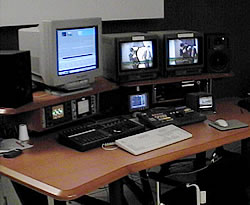
Nostalgia for old films is a feeling we all more or less have experienced. Yet, noise and grain, unsteadiness, dirt, drop-outs, and flicker in a movie naturally diminish the quality of film and put the material at risk. In an attempt to make archive material more accessible to the broadcasting industry and audience, BRAVA focuses on ways to restoring the video and film material effectively. The BRAVA project reduces the restoration time with the use of algorithms capable of analysing the image in detail. It prevents different defects from affecting picture quality in either tape-to-tape restoration (linear editing) or disk-to-disk restoration (non-linear editing). In tape-to-tape restoration, the videotape is cut and pasted and fed directly from player to recorder. In disk-to-disk restoration, the whole video is stored digitally where it can be manipulated using editing tools. The advantage of non-linear editing is that it allows the restorer to access individual frames and mend fine-grains in them, edit the sequencing of images (timeline), and work on the video and audio channels independently. The algorithms used for both editing methods commonly known as the Archangel Ph.C (Phase Correlation motion compensation), detect complex frame-to frame changes in image contents. They also serve broadcasters, DVD and programme producers in re-mastering material for transmission and archive footage. In order to keep the Archangel real-time restoration equipment under control, BRAVA also designed a suite of editing tools, the Real-Time Controller. This Linux based system is suitable for any editing chain, tape-to-tape or non-linear. Operators can view the source programme clearly, detect shots and activity reports automatically, prepare parameters to control the real-time restoration equipment and edit it in fine detail. The combination of both systems (Archangel and Real-time Controller) is set to replace the tape-to-tape editing system by a non-linear digital editing system with a wider range of applications. As a result, partners of the BRAVA project guarantee that the cost of archive restoration will be reduced. In addition, they will continue their efforts to further meet the European broadcasters and publishers expectations for high-quality film archive material.