Designing a new biomass-based power generation system

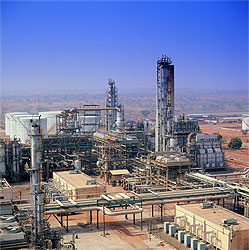
Biomass is used for electricity generation through a two-stage process. The first stage is the conversion of biomass into coke and primary gases through heating. Secondly, the mixture is turned into a gas that is rich in hydrogen content through a process known as gasification and reforming. The project worked on a new design based on heating a fluidised bed gasifier indirectly through high temperature heat pipes. The project team have developed two 200kW prototypes for such heat pipe reformers; one to validate the concept and the other to demonstrate a more integrated design that includes a char filter. The chief challenge overcome by the researchers in designing a small sized gasification reactor in an indirectly heated gasifier of this type was to ensure sufficient heat flows. The approach concentrated on achieving high heat transfer rates between fluidised bed and heat pipe surface, as well as high heat transfer characteristics in the heat pipes themselves. The heat pipes pass through the separating plate between atmospheric combustor and pressurised gasifier, bringing associated engineering challenges. The researchers designed insulation for the separating plate in order to avoid heat loss, as well as a steam cap system to allow the ventilation of hydrogen accumulation in the heat pipes. This new gasification technology has great potential for decentralised power generation in micro turbines and fuel cells. The research team, now part of a management buy-out firm, aim to continue the work through consulting services, demonstration projects and commercial applications.