New ways of protecting wood against decay

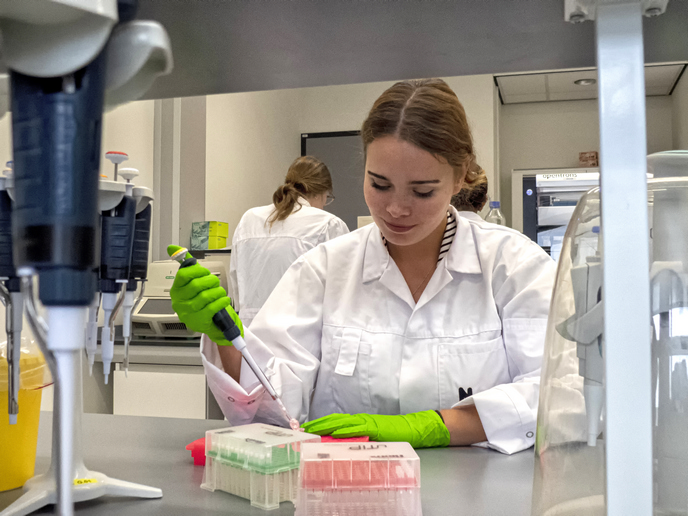
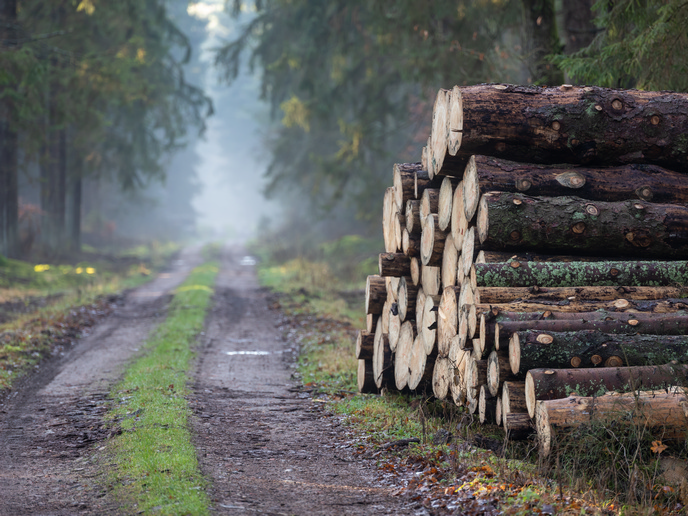
Protecting wooden structures and buildings poses a real challenge, given their susceptibility to bacterial degradation over time. EC-funded project BACPOLES concentrated on the development of new ways for the identification of the bacterial species responsible for the degradation of wood. This is seen as a key step towards developing efficient methodologies for the long-term protection of wooden artefacts and historical buildings. The University of Gottingen conducted a series of experiments in an attempt to induce bacterial wood decay under laboratory conditions. Carbon dioxide was shown to play a key part in bacterial wood decay onset although the link is not fully understood. Furthermore, nitrogen and phosphate addition were shown not to promote wood decay and in fact nitrogen appeared to have an inhibitory effect. In addition to examining the effect of a variety of parameters on bacterial wood decay, scientists also studied the application of bacteriophages as part of wood preservation methods. Phages are viruses that attack and kill specific bacteria and therefore the appropriate phages could protect wood from decay. Gottingen University researchers have completed the first steps towards isolating suitable phages against bacteria responsible for wood decay. Supporting this line of research further could yield important findings and pave the way towards a long-term solution for the preservation of historical wooden structures.