Nickel cadmium batteries power up Unmanned Aerial Vehicles

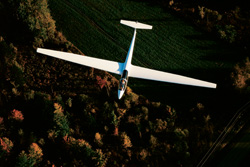
Unmanned Aerial Vehicles (UAVs) have been in use since the Second World War. Though their primary use is military, other applications exist such as delivery of food and aid to remote areas. The FASTWing project, with the support of the GROWTH Programme, aimed to develop a new, lighter generation of UAVs. As one of the primary constraints is weight, every effort must be made to reduce weight for each of the components installed on the UAV. This includes the power sources, which are batteries. The task of optimising the batteries aboard the UAV was assigned to Compania Espanola de Sistemas Aeronauticos (CESA) in Spain. A wide range of battery technologies were tested in the laboratory environment as well as in conditions similar to those expected to be experienced in flight. Nickel Metal Hydride (NiMH) batteries proved superior in terms of energy density per unit mass. The materials used to construct NiMH batteries are also more environmentally friendly than those used in other battery types. However, problems with operation in extreme temperatures and high production costs meant that NiMH technology was not appropriate for the UAV. Nickel Cadmium (NiCd) was identified as the next best alternative to NiMH batteries. CESA worked with their FASTWing partners to make the necessary modifications to meet the strict weight requirements. The NiCd technology developed can also be used in other applications where weight and environmental conditions are important concerns.