Filling the knowledge gap in marine biodiversity

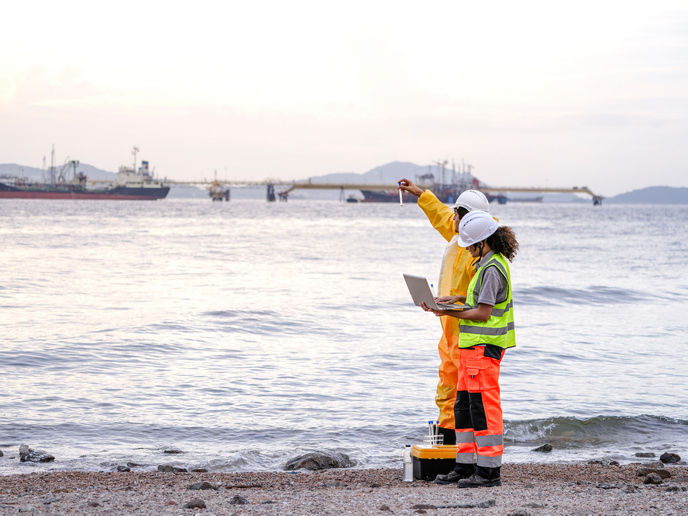
This is a time of extraordinary environmental change all around the world. Scientists estimate that only 13 % of the world’s oceans are unaffected by human activity. To preserve and protect these natural resources, local residents, scientists and policymakers need to understand what is happening in marine environments. The EU-funded BIOcean5D(opens in new window) project sought to understand how space, time and human activity impact marine life. The project brought together a diverse team of experts from 11 countries to collect information, harmonise multi-method data streams, and provide indicators and theoretical frameworks to guide governance.
Sampling and the TREC/Tara Europa expedition
At the core of BIOcean5D are over 70 000 samples gathered by the TREC/Tara Europa expedition(opens in new window). Involving 21 coastal countries and 35 marine labs, the expedition ranged from the Arctic seas to the Mediterranean, contributing the largest data collection on marine biodiversity ever gathered. The expedition collected information on a wide range of species and their habitats. The sampling strategy was designed to encompass various habitats, ranging from areas impacted by human activity to pristine environments. The diverse marine environments sampled stretch from the brackish waters in the Baltic Sea to the warm, hypersaline waters in the Mediterranean. The TREC/Tara Europa expedition was not the only data collection effort. Sixty sediment cores were taken from 12 sites along the European coastline, providing insight into environmental histories reaching back over 100 years. The team also compared data gathered over recent decades, such as plankton time series collected at marine stations in France and Italy. Outside of Europe, the project focused on tropical coral holobionts in French Polynesia and deep-sea organisms in the Mid-Atlantic Ridge.
Building a data hub to guide marine governance
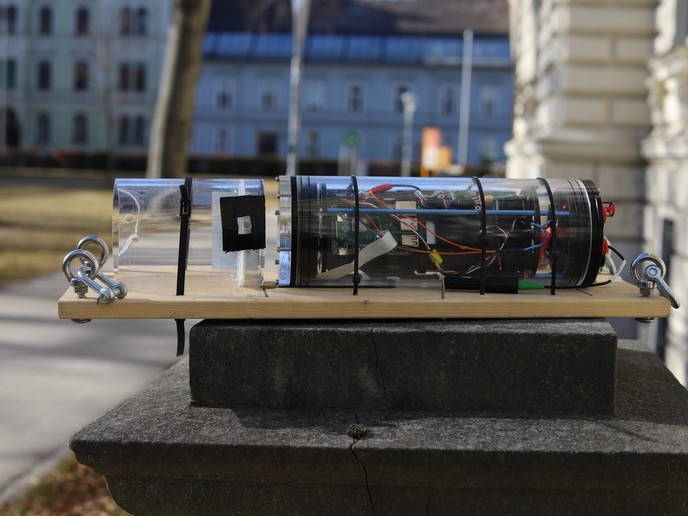
BIOcean5D gathered a vast amount of data using multiple methods, including sediment samples, time series, acoustic sensing and eDNA. The project integrated all the data gathered plus existing marine biodiversity information into one open-access data hub. This hub brings together expertise in microbiology, macroecology and taxonomy to harmonise multi-method data streams that range from molecular omics to imaging and acoustics on a common metadata framework. This single, interoperable knowledge base enables partners to fill knowledge gaps through comparison across different technologies. The harmonised BIOcean5D data hub has enabled models and frameworks of marine life that will guide governance actions to protect marine habitats. A notable contribution is the JEDI metabarcoding marker(opens in new window), a simple and effective assessment tool for monitoring biodiversity. The project also recommends reimagining the way marine protected areas (MPAs) are designated. By using the wealth of data increasingly available, a move away from static to dynamic boundaries is appropriate for MPAs. The project is dedicated to sharing results with diverse audiences. Articles, workshops and volunteer participation brought the scientific community, policymakers and citizen scientists together. By sharing low-cost, open-source tools with marine scientists and institutions that work with people who make a living from the sea, BIOcean5D has laid the foundation for a long-term European coastline monitoring network.