


EU project calls for overhaul of cattle transport system
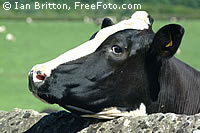
A recently completed EU project has called for urgent action to improve the conditions for cattle transport in Europe, stating that the welfare of cattle and the quality of meat produced is being adversely affected by current transport facilities. Funded under the quality of life and management of living resources section of the Fifth Framework Programme (FP5), the 'minimising stress-inducing factors on cattle during handling and transport to improve animal welfare and meat quality' project (CATRA) ran for three years and had a total budget of 2.2 million euro, of which 1.8 million was contributed by the EU. Commenting on the relevancy of the project's findings EU Commissioner for Research, Philippe Busquin, said: 'Avoiding needless animal suffering is in industry's own interest: the quality of its product can be seriously affected by substandard transportation. This is why EU research not only studies cattle transportation, but also aims to support policy-making towards improved and cost-effective animal welfare, whilst safeguarding consumer protection.' The project consortium set out to identify, control and minimise the stress inducing factors during the handling and transport of cattle. To this end, data was collected from each of the participating countries (Belgium, Sweden, Spain, Italy, Finland, Germany, Slovenia and Norway) on the following factors: penning systems at farms; loading and unloading methods and facilities; penning systems in vehicles and feeding regimes for cattle. Tests were also carried out on the transport and rest times; vibration levels; air speed; temperature; relative humidity; and the levels of ammonia, carbon dioxide, methane, and oxygen in the transport vehicles. Furthermore, regular checks were done on the cattle's heart rate throughout the transport procedure in order to determine adverse effects of various activities to the animals' welfare. The outcome of this work is a set of guidelines that will be used to help the industry and policy makers ensure that the right conditions are met for cattle transport. Some of the recommendations include preparing animals before transport, improving loading and unloading facilities, controlling the loading densities, improving the design of transport vehicles, sensitising drivers of the stress factors, improving road conditions and enforcing EU legislation.
Kraje
Belgium, Germany, Spain, Finland, Italy, Norway, Sweden, Slovenia