The lethal mating of moths saves the olive trees

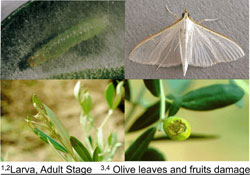
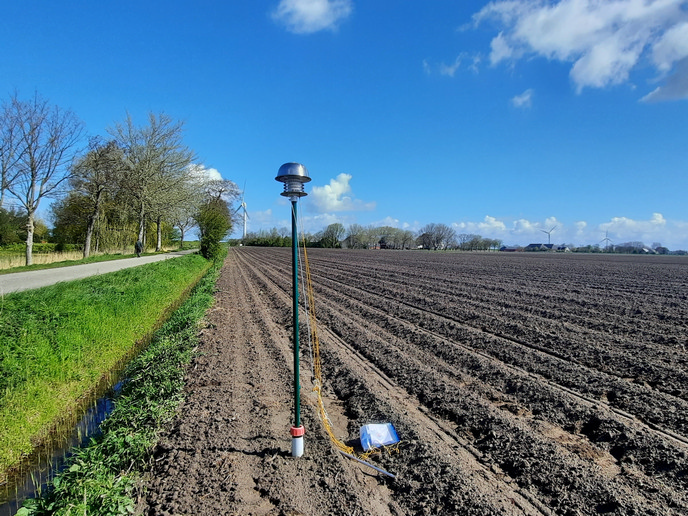
European Commission is about to launch new regulations to strengthen the safety of public health and the environment against pesticides used for plant protection. Special attention has been drawn to ecotoxicology and residues in the food chain due to excessive application of pesticides. In this context, substitution of active substances used with safe alternatives is strongly encouraged. TRIPHELIO is a coordinated action towards developing a cost-effective and sustainable insecticide-free pest management system for olive trees. These trees are cultivated in the Mediterranean countries and their renowned products are marketed worldwide. They are infected by pests that cause severe damage to the leaves and fruit affecting the quality of the products and plant. Therefore, cultivators tend to use a variety of insecticides promoting pest resistance and polluting the environment. An effective pheromone trap was developed to monitor the jasmine moth Palpita unionalis (Lepidoptera: Pyralidae) population. The trap design was based on the information derived from the moth's reproduction mechanism where the females release a sex pheromone to attract males. The pheromone had been isolated and its chemical components had been previously identified by one of the partners. The existing knowledge was exploited to fabricate a pheromone trap with a wide range of applications including mass trapping or mating disruption. In specific, the trap was evaluated in TRIPHELIO participating countries collecting important information. This involves data on the population density, the moth flight periods in relation to the olive tree phenology and to the particular habitat. The novelty of this pheromone invention is reflected in its potential to be exploited for biological control. Monitoring of the population of interest facilitates risk assessment and allows conditional fine tuning of the pheromone release rate. This tailor-made invention is available for further testing and cost/performance optimisation in cooperation with bodies active in olive culture industry.