Model technology

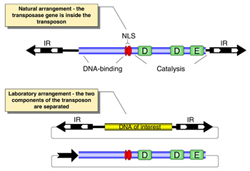
Model systems are an important aspect of biomedical research, allowing scientists to test hypotheses, observe and examine disease onset and potential treatment. In the age of recombinant DNA technology, the creation of novel, 'tailor-made' animal models is a reality. Scientists are closer than ever before to shedding light on the relationship between gene function and phenotype; basically how the inside affects the outside. The role of functional genomics in modern-day research can be greatly enhanced by a new generation of animal models such as Xenopus tropicalis (Western clawed frog) with specific genetic modifications. These modifications can allow researchers to inactivate and isolate specific genes and thus study their effect on the organism as whole. The EC-funded JUMPY project concentrated on the study of Xenopus tropicalis as a model for functional genomics analysis research. Project partners managed to create a novel transposon system, termed the Frog Prince model. This model can be used for mutagenesis studies and could prove to be a valuable tool for research groups worldwide. Further development support and/or potential licensing partners are sought in an effort to develop innovative model systems for the biotechnology industry.