Understanding consumer health issues relating to cheese


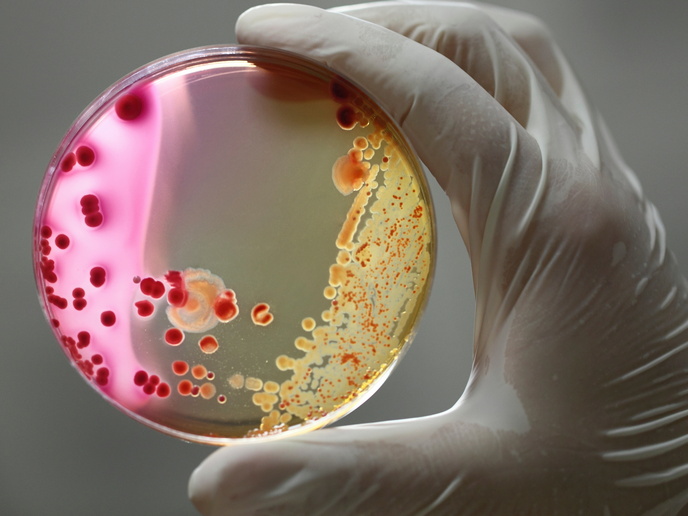
The EC-funded SCM project focused on the study of a specific microbial group that grows on smear cheeses during ripening. Some of these bacterial and yeast species have been implicated in the onset of listeriosis by promoting the growth of listeria. Project partners worked on the identification of these microbial species in five smear-ripened cheeses. Subsequent efforts centred on ways to limit their growth without affecting their overall flavour. Limiting the growth of such listeria-promoting species is expected to significantly impact the promotion of consumer health. Studies on Tilsit cheese revealed that the complexity of the bacterial populations found on the surface of the cheeses increased during ripening. This was observed in all three batches that were used for research and reference purposes. Yeast populations were shown to be more homogeneous throughout the ripening process, with Debaryomyces hansenii the dominant species. Overall, researchers concluded that the growth of pathogenic microorganisms (such as listeria species) is often attributed to less-than-optimal cheese making and ripening conditions. Changes in conditions can affect the natural microbial flora and thus favour pathogens.